
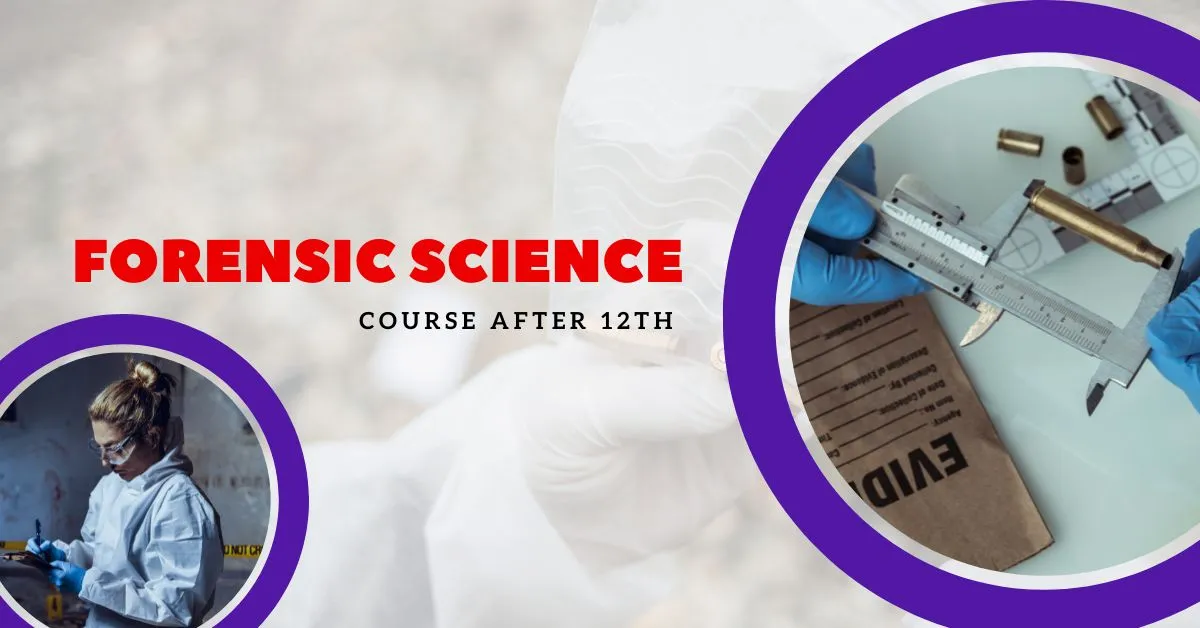
Forensic science, which is often popularized by television police series. It plays an important role in the criminal justice system. This multidisciplinary field combines science and technology to investigate and solve crimes. Bring justice to victims and ensure that wrongdoers are held accountable. In India, the importance of forensic science has grown significantly in the last two years. This resulted in the establishment of specialized institutions. A wide variety of courses and various entrance exams to sustain and develop this important field.
In this blog, we will delve into the world of Forensic Science in India, explore the institutes, courses offered. and exams that aspiring forensic scientists can take to begin this exciting career.
Learn here: Emerging Careers in Computational Biologists for Indian Science Students
Forensic Science Institutes in India:
1.National Institute of Criminology and Forensic Science (NICFS), New Delhi
NICFS, established in 1972, is a flagship institution for forensic science education and research in India. Offering postgraduate and diploma courses in areas like forensic psychology and cyber forensics, NICFS provides cutting-edge training facilities and is affiliated with the Ministry of Home Affairs.
2. Dr. Harisingh Gour Vishwavidyalaya (DHSGU), Sagar, Madhya Pradesh
Known for its hands-on approach, DHSGU offers a Master’s program in Forensic Science. Students here benefit from a well-equipped forensic laboratory, gaining practical exposure to crime scene investigation and laboratory analysis.
3. Banaras Hindu University (BHU), Varanasi, Uttar Pradesh
A revered institution with a strong academic legacy, BHU now offers a Master’s program in Forensic Science. This program blends theory and practice, covering forensic analysis, legal aspects, and modern investigative techniques while providing students with research and practical training opportunities.
4. National Forensic Sciences University (NFSU), Gandhinagar, Gujarat
NFSU, formerly Gujarat Forensic Sciences University, is a unique university dedicated exclusively to forensic science and allied fields. Offering programs from bachelor’s to Ph.D. levels, it stands out for its advanced research facilities and expert faculty. Admissions for 2025 are now open, with detailed exam schedules available on the university’s website.
5. Osmania University, Hyderabad, Telangana
Osmania University’s Master’s program in Forensic Science focuses on forensic chemistry and biology. The program is designed to equip students with hands-on training in crime scene investigations and forensic laboratory techniques.
Courses Offered in Forensic Science
Forensic science covers a wide range of specializations, and educational programs are tailored to meet the field’s diverse demands. Below are some popular courses available in India:
- Bachelor’s in Forensic Science: An undergraduate course introducing students to the basics of forensic science, including biology, chemistry, and ballistics.
- Master’s in Forensic Science: A postgraduate program offering advanced knowledge and practical training in areas like forensic toxicology, digital forensics, and more.
- Diploma in Forensic Science: Short-term courses focusing on skills like crime scene investigation and laboratory techniques.
- Postgraduate Diploma in Forensic Psychology: Designed for those interested in understanding criminal behavior, victimology, and profiling.
- Ph.D. in Forensic Science: Doctoral programs that focus on groundbreaking research in specialized forensic fields.
- Certificate Courses: Short-duration courses on niche topics such as fingerprint analysis, cyber forensics, and forensic anthropology.
“ Get to know which is Better: NISER or AIIMS? ”
Entrance Exams for Forensic Science in India
Getting into a top forensic science program in India is competitive. Many institutes conduct entrance exams to select the best candidates. Here are some key exams to keep in mind for 2025:
1. Banaras Hindu University Postgraduate Entrance Test (BHU-PET)
This exam is a gateway to BHU’s Master’s program in Forensic Science, testing candidates’ knowledge in relevant fields.
Eligibility Criteria:
- Science graduates with at least 50% marks and subjects like Chemistry, Botany, Zoology, or related fields.
- Professionals with MBBS, BDS, or equivalent degrees are also eligible.
2. National Forensic Sciences University Entrance Exam (NFAT)
NFSU conducts NFAT for admission into various programs. Exam patterns vary depending on the program.
Eligibility Criteria:
- Detailed criteria are available in the NFSU brochure and website.
3. All India Forensic Science Entrance Test (AIFSET)
AIFSET is a national-level exam for undergraduate and postgraduate programs across participating universities. For 2025, the exam is scheduled for January 25, with results to follow on January 28.
4. Osmania University Common Entrance Test (OUCET)
OUCET is held for admissions to Osmania University’s Master’s programs. It evaluates candidates on their knowledge of forensic science basics.
Eligibility Criteria:
- Minimum 40% in undergraduate programs, with relevant subjects such as Chemistry and Life Sciences.
5. State-Level Entrance Exams
Several states conduct their own entrance exams for forensic science programs offered by state universities. Exam patterns and eligibility requirements vary by state.
Conclusion
Forensic science is an ever-evolving field that remains indispensable to the justice system. India’s top institutes and diverse courses prepare students for exciting careers, from crime scene analysis to advanced forensic research.
With competitive exams like CETFS, AIFSET, and BHU-PET paving the way, the field attracts passionate individuals eager to make an impact. As forensic science continues to grow, it promises a future filled with innovation, discovery, and justice—all driven by the next generation of forensic experts.
“ Get to know: Cases of HMPV Virus In India ”
About us:
At SciAstra, we guide students who want to become scientists and pursue research by helping them secure admissions in the top colleges for the same like IISER, NISER, CEBS, ICAR, CMI, etc.
Our mentors are from the top research institutes like IISER, NISER, IACS, CMI, ISI, IISC Bangalore, and so on. If you are looking to prepare for IAT / NEST 2024, you can check out our courses and get access to live classes, recorded lectures, study material, mock tests, doubt-clearing classes, and much more!
To know more about us, click here OR download the SciAstra App from Play Store!
Comments